
Regulation · 21 October 2026
ICPE and battery storage: which heading, which obligations
In France, a lithium-ion battery storage system currently falls under ICPE heading 2925, "workshops for charging electric accumulators". It is subject to declaration when the site's cumulative charging power exceeds 600 kW, with the requirements of the order of 29 May 2000. Below that, it is not classified under this heading. Here is how the calculation works, what the declaration requires, and what may change.
By Élien Geneste
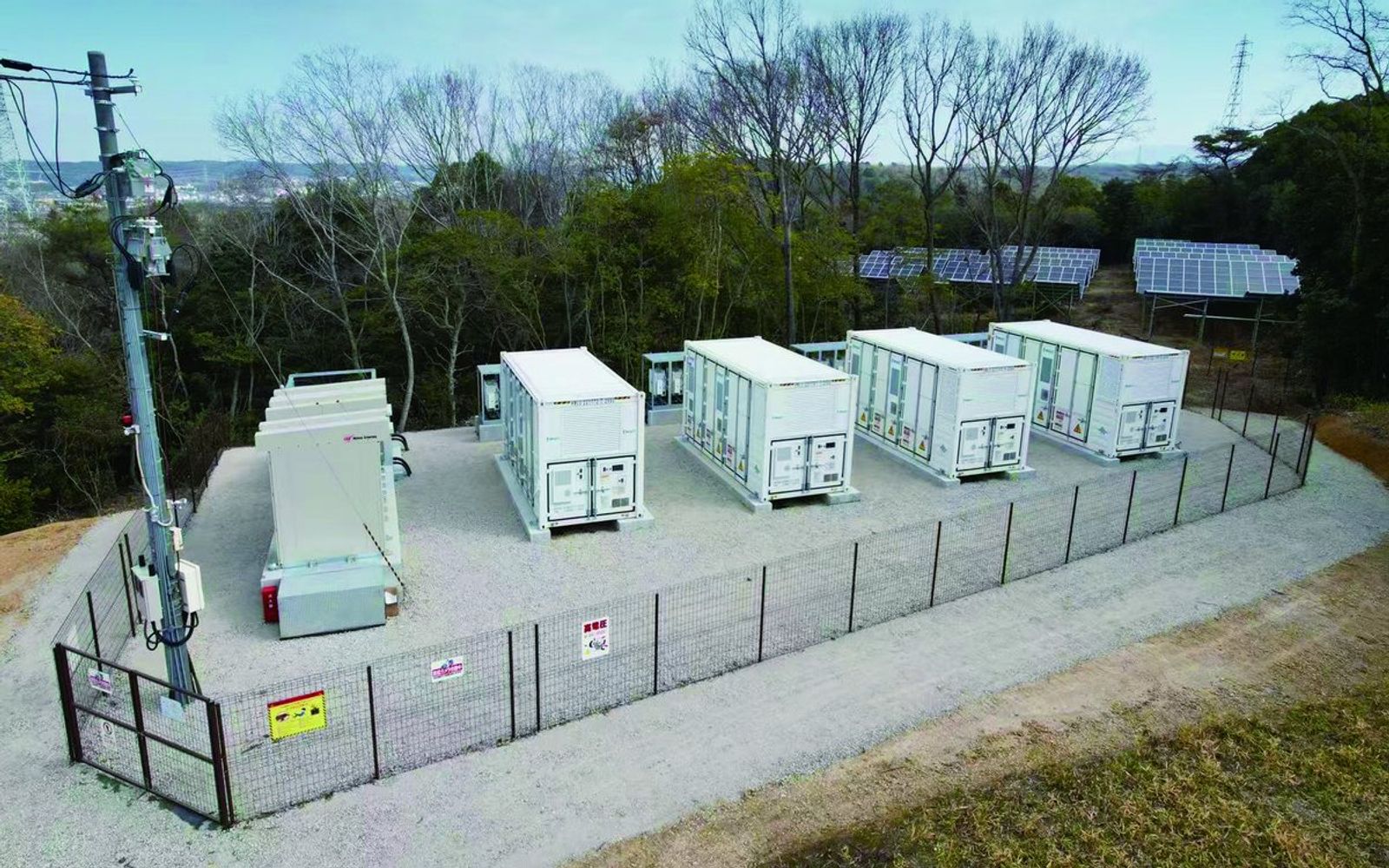
When a company looks into electricity storage, the ICPE battery storage question comes up quickly: does the system fall under the French regime for installations classified for environmental protection (ICPE), and what needs to be filed? The answer comes down to one heading, one threshold and one ministerial order. This article goes through them from the texts, with example calculations for common configurations.
Which ICPE heading applies to battery storage?
The ICPE nomenclature does not, to date, have a heading of its own for stationary electricity storage. Batteries fall under heading 2925, "Workshops for charging electric accumulators", in the version resulting from Decree No. 2019-1096 of 28 October 2019 (Ineris AIDA database). It has two sub-headings, depending on the chemistry:
| What it covers | Threshold | Regime | |
|---|---|---|---|
| 2925-1 | Charging that produces hydrogen (vented lead-acid, for example) | more than 50 kW | Declaration |
| 2925-2 | Charging that does not produce hydrogen (lithium-ion, LFP) | more than 600 kW | Declaration |
An LFP battery, the chemistry of most current stationary systems (see LFP or NMC), therefore falls under sub-heading 2925-2. The sub-heading excludes electric vehicle charging infrastructure open to the public.
Both sub-headings only provide for declaration: heading 2925 provides for neither registration nor authorisation. It is the simplest regime in the nomenclature.
How is the relevant power calculated?
The threshold applies to power, not to stored energy. The note to the heading specifies that this is the deliverable charging power cumulated across all the equipment in the workshop. Three practical consequences:
- Everything is added up: all the batteries on the site, even if installed in several phases or in different parts of the establishment.
- Megawatt-hours do not count. A long-duration, low-power battery can stay below the threshold; a short, powerful one can exceed it.
- The converter sets the charging power. For a storage system, the power used is in practice the power at which it can charge. The exact reading is confirmed with the classified installations inspectorate for each project.
Three example calculations
The power ratings below come from RelyEZ datasheets; the classification is a reading of the heading, to be confirmed project by project.
| Cumulative power | Reading of heading 2925-2 | |
|---|---|---|
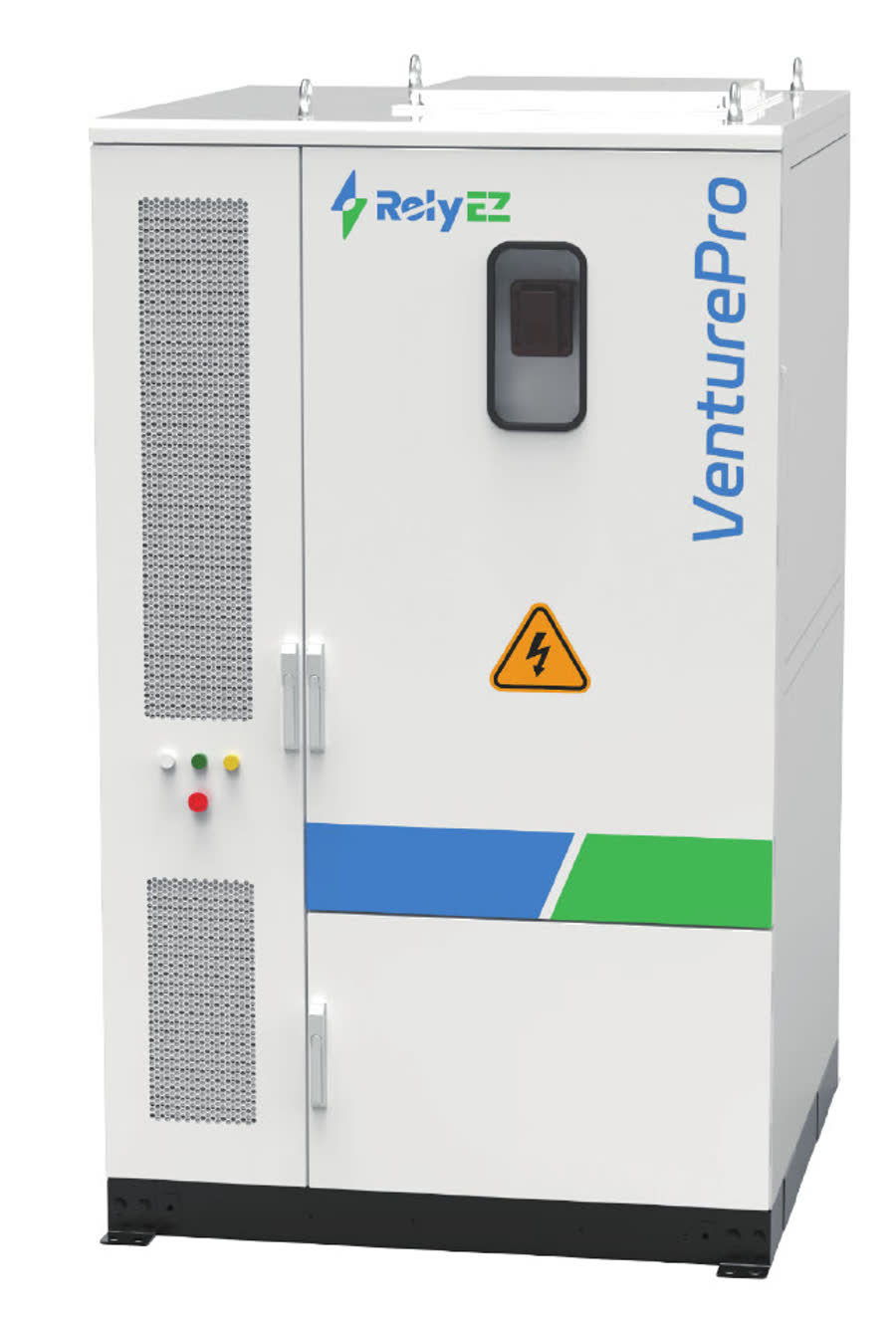
| 4 VenturePro 250 cabinets (125 kW each) | 500 kW | below the threshold, not classified under it |
| 5 VenturePro 250 cabinets | 625 kW | above, declaration |
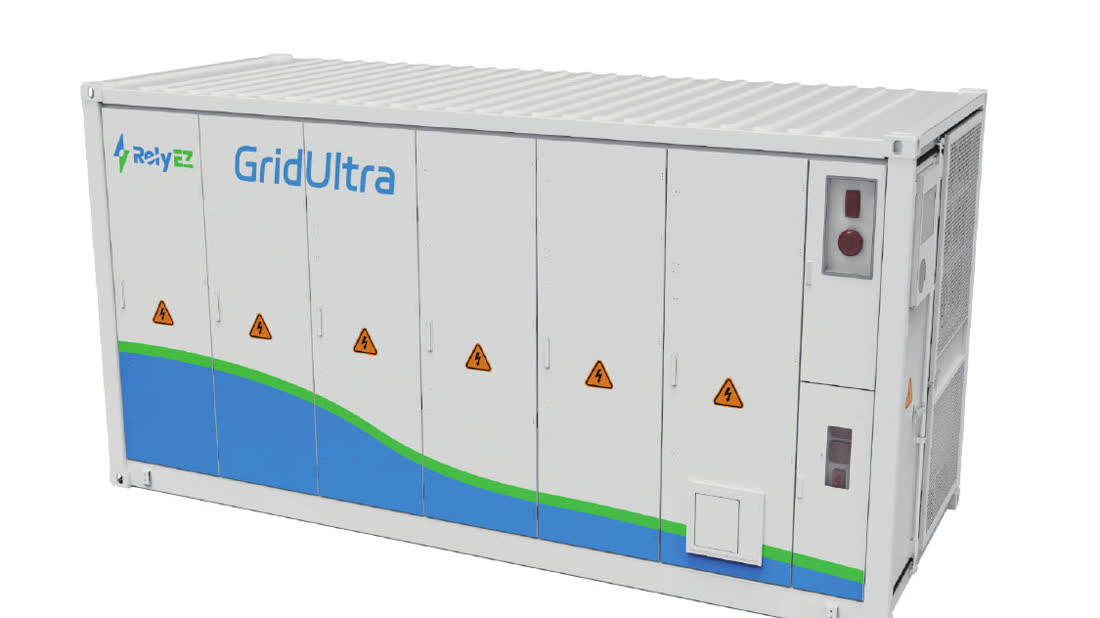
| 1 GridUltra 4.18 MWh container (1,045 kW) | 1,045 kW | above, declaration |
The first case is that of many commercial and industrial sites that shave their consumption peaks (see Exceeding subscribed power). The other two show that a project crosses the threshold as soon as it goes beyond a few cabinets or moves to a container.
What does the declaration change for the site?
A declaration before commissioning
The declaration is filed with the prefecture, before work starts and before commissioning. It describes the installation, its location and the planned measures. The operator receives proof of filing and undertakes to comply with the applicable general requirements.
The requirements of the order of 29 May 2000
These requirements are set by the order of 29 May 2000 on heading 2925, whose Annex I was last amended by the order of 3 August 2018 (Légifrance). The main ones:
| What it requires | |
|---|---|
| 2.1 Location | at least 5 m from the property boundaries |
| 2.4 Fire behaviour | for a building: 2-hour fire-resistant walls and upper floors, non-combustible roofing, smoke extraction at the top |
| 2.5 Access | a route usable by emergency vehicles |
| 2.7 and 3.6 Electrical | compliant installations, periodically inspected by a competent person |
| 2.9 Containment | leak-tight, non-combustible floor |
| 4.2 Emergency | suitable extinguishing equipment, a water point no more than 200 m away, checked at least once a year |
| 4.5 and 4.6 Works | hot work permit and work permit |
| 8.1 Noise | 70 dB(A) by day and 60 dB(A) by night at the property boundary, and limited noise emergence at neighbours |
The text was written for charging workshops inside buildings: some requirements (hydrogen ventilation and detection, for example) mainly concern batteries that give off hydrogen. For a container placed outdoors, how they apply is discussed with the inspectorate and the departmental fire and rescue service, which may specify requirements suited to the project.
What the equipment brings to the file
A declaration file comes together all the faster when the equipment is well documented: dated datasheet, certifications, fire test reports, layout plan with distances. GridUltra containers arrive assembled and tested, with their detection and extinguishing built in; what they contain is detailed in Battery storage container. The certifications of the RelyEZ range are listed on the RelyEZ page.
Can other headings or procedures apply?
Yes, and this is often where the timetable is decided. The law firm CMS Francis Lefebvre lists them in a note of 30 September 2026:
- Other ICPE headings when the site has other activities: a warehouse storing batteries (heading 1510) or end-of-life batteries passing through (heading 2718). The site's regime may then move to registration or authorisation.
- Environmental assessment, systematic or after case-by-case review depending on the project and its connection works (Article R. 122-2 of the Environmental Code).
- Planning: building permit or prior declaration depending on the floor area and the location, in line with the local urban plan.
- Related environmental procedures depending on the land: water law, land clearing, protected species.
For a battery installed behind the meter of an existing site, most of these points are handled within the site's file. For a standalone project on undeveloped land, they are planned from the outset.
What could change?
Two developments are worth following:
- A draft decree amending heading 2925 was put out for public consultation until 7 September 2026, then presented to the Higher Council for the Prevention of Technological Risks on 15 September (Actu-Environnement, 18 August 2026). It mainly concerns sub-heading 1, for batteries whose charging produces hydrogen.
- A heading dedicated to battery storage has been announced for 2027, according to the CMS Francis Lefebvre note; the decree had not been published at the date of that note.
Until a new text is published, classification is based on heading 2925 in its 2019 version. A project filed after a reform will be classified under the version in force on the filing date: this is a point to check when the file is launched.
How should the ICPE side of a project be prepared?
- Set the charging power at the sizing stage, taking into account all the batteries planned on the site, including extensions.
- Read the classification: below or above 600 kW, and the other headings present on the establishment.
- Draw the layout with distances, emergency access and the water point.
- Gather the equipment documentation: datasheets, certifications, tests.
- Talk early with the classified installations inspectorate and the fire service.
The sizing method is described in Battery storage for businesses: how to size it. JR Batteries, official RelyEZ distributor, supports installers and sites on equipment selection and the technical documentation for the file; the group's engineering team is presented on the JR Énergie page.
Frequently asked questions
Is a battery storage system an ICPE?
It becomes one when it exceeds the threshold of heading 2925. For a lithium-ion battery, whose charging does not produce hydrogen, this is sub-heading 2: declaration above 600 kW of cumulative charging power on the site. Below that, the battery is not classified under this heading, which does not exempt it from planning, electrical and fire safety rules.
Does the 600 kW threshold apply to power or to stored energy?
To power. The nomenclature uses the maximum charging power, cumulated across all the equipment in the workshop; the megawatt-hours stored do not enter the calculation. Two installations with the same energy can therefore be classified differently depending on the power of their converters.
Is a prefectoral authorisation needed to install battery storage?
Not under heading 2925, which only provides for declaration. An authorisation or a registration may, however, arise from other headings present on the site, such as a battery warehouse or a waste activity, or from an environmental assessment required by the competent authority. The regime is checked project by project.
Is a fast-charging station with a buffer battery classified?
Charging infrastructure open to the public is expressly excluded from sub-heading 2 of heading 2925. The buffer battery that supplies it is a separate piece of equipment: its charging power is counted separately, and that is what is compared with the 600 kW threshold.
Are the ICPE rules for batteries going to change?
A draft decree amending heading 2925 was put out for public consultation until 7 September 2026; it mainly concerns batteries whose charging produces hydrogen. A heading dedicated to battery storage has been announced for 2027 by several specialists, with no text published to date. A project's classification is therefore checked on the date of filing.
Sources
The figures in this article come from these documents.
- Nomenclature des installations classées : rubrique 2925, Ateliers de charge d'accumulateurs électriques (version issue du décret n° 2019-1096 du 28 octobre 2019) — Ineris, base AIDA, 28 October 2019
- Arrêté du 29 mai 2000 relatif aux prescriptions générales applicables aux installations classées soumises à déclaration sous la rubrique n° 2925, annexe I dans sa version modifiée par l'arrêté du 3 août 2018 — Légifrance, 15 August 2018
- ICPE : vers un déclassement de certaines installations de charge de batteries — Actu-Environnement, 18 August 2026
- Installations de stockage d'énergie : les autorisations à anticiper — CMS Francis Lefebvre Avocats, 30 September 2026
- Fiche technique VenturePro Series 250 kWh — All-in-one Liquid-Cooled Energy Storage — RelyEZ, 27 August 2026
- Fiche technique gamme GridUltra 4,18 MWh (0.25P) et 5,016 MWh (0.5P) — stockage conteneurisé à refroidissement liquide — RelyEZ, 27 August 2026
The ranges mentioned
A project in mind?
The grid connection, the contract and the generation already in place are enough to know which range fits.