Journal

What to know before installing a battery.

Sizing, grid connection, revenue, regulation. Subjects covered once, seriously, rather than news posts.
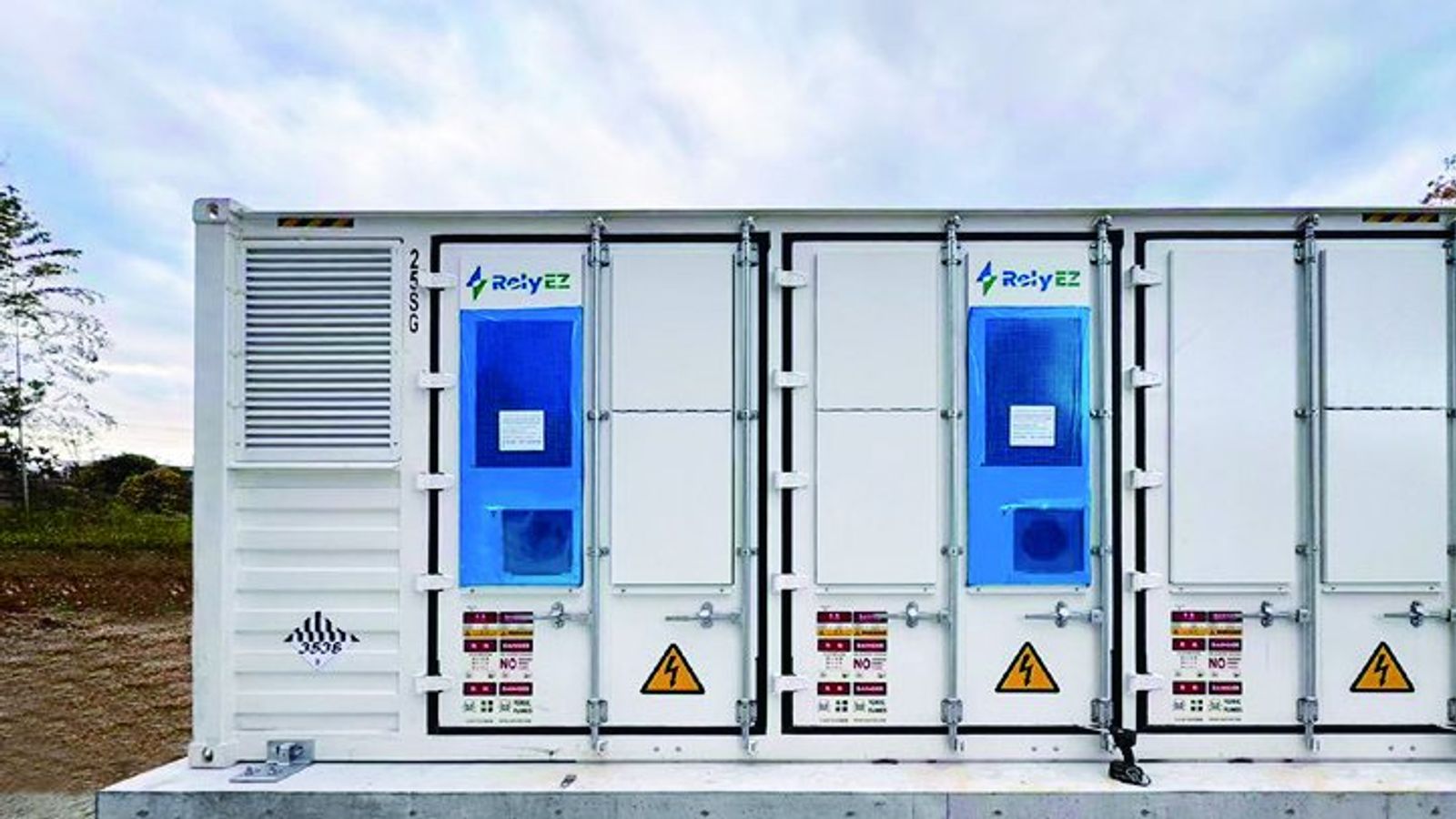
RelyEZ storage cabinets standing on a concrete slab at an outdoor site

Grid connection · 16 October 2026

Rapid charging: opening a station without reinforcing the grid connection

The grid connection of a rapid charging station is usually sized on the sum of its chargers: two 150 kW chargers already exceed the 250 kVA limit of low voltage. A buffer battery changes the equation. The grid recharges it continuously over a modest connection, and it supplies the extra power during charging sessions. It is sized on the station's traffic, not on the chargers' nameplate.

Read
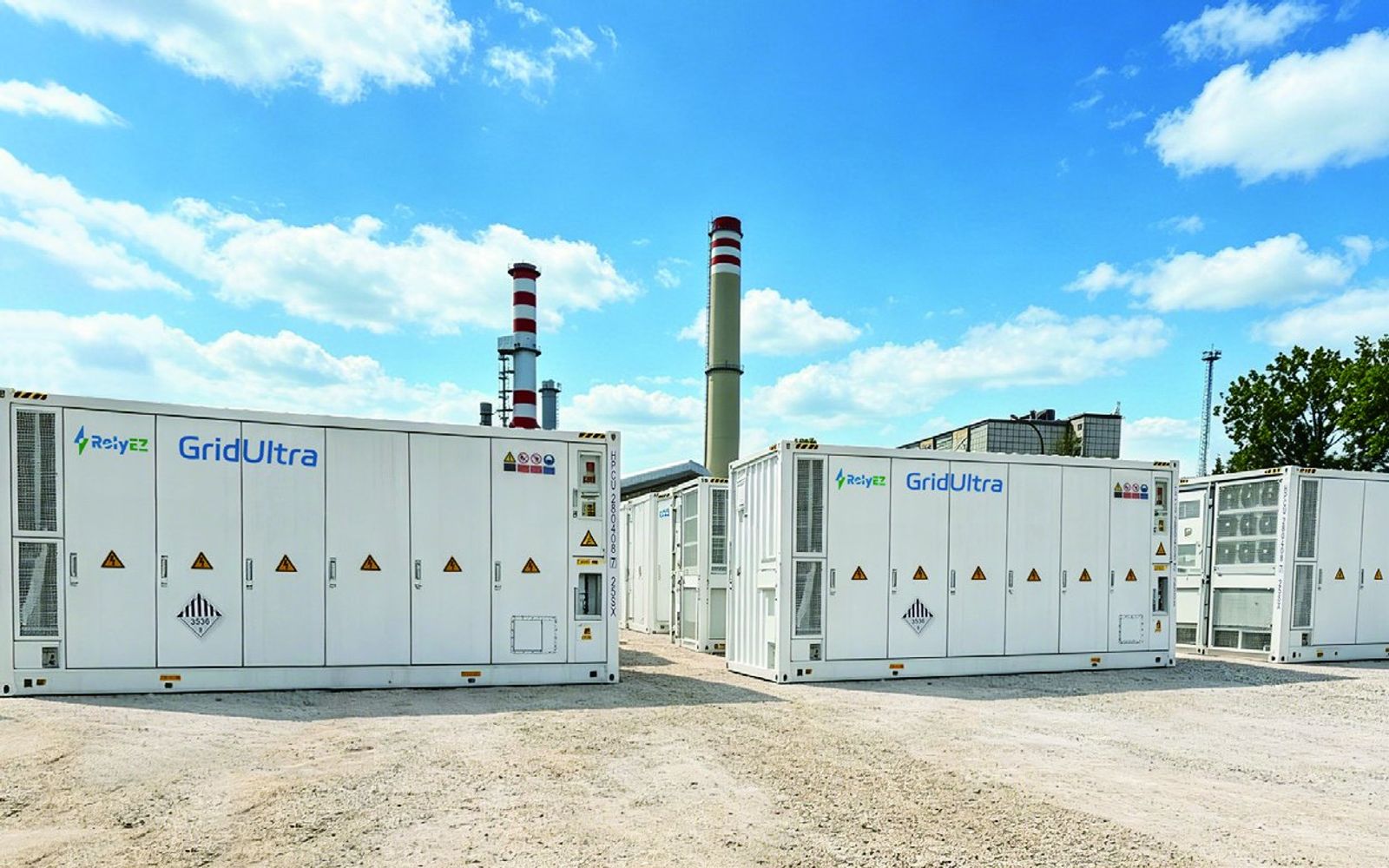
RelyEZ GridUltra containers at a grid-connected storage project in Hungary (Becske, Bácsalmás, Tiszakécske: 55 MW / 110 MWh, European aFRR certification, commissioned 2026)

Revenue and markets · 13 October 2026

Capacity mechanism, FCR, aFRR: how a battery earns revenue

Capacity mechanism, primary reserve (FCR), secondary reserve (aFRR), wholesale market: a battery can earn revenue from several sources, and they do not pay for the same thing. The capacity mechanism pays for availability on stress days, and its rules change on 1 November 2026; the reserves pay for a response within seconds. Here is what each one requires, and what that changes when sizing the battery.

Read
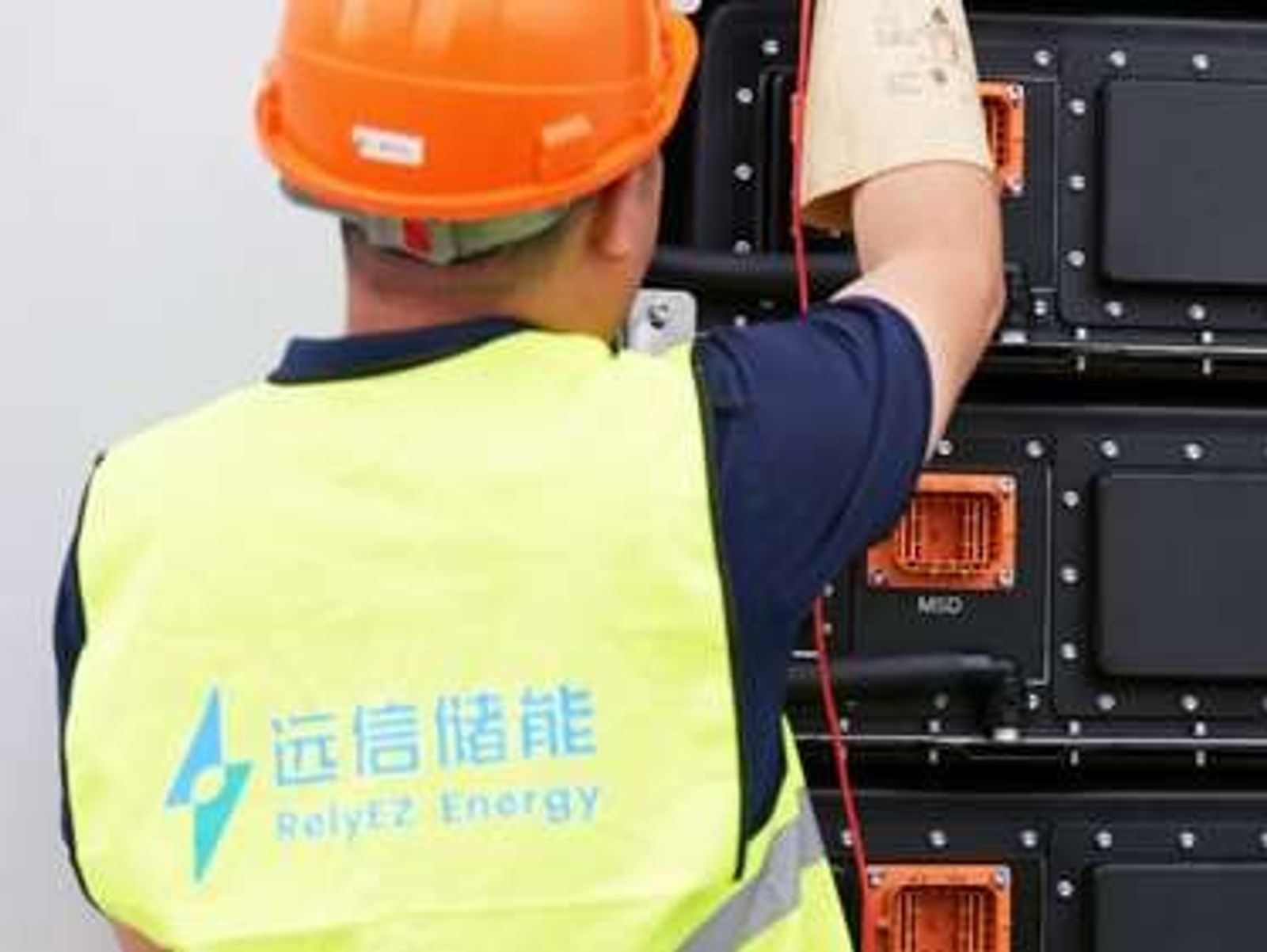
Two RelyEZ operators handling a battery module on the assembly line

Technology · 9 October 2026

LFP or NMC battery: which chemistry for stationary storage

LFP or NMC battery: for fixed storage on a business site, lithium iron phosphate (LFP) chemistry has become the standard. It accounts for 90 % of battery storage systems deployed worldwide, according to the International Energy Agency. NMC keeps the edge on compactness, which matters in a vehicle but rarely decides anything on a site where space can be found.

Read
Two RelyEZ operators handling a battery module on the assembly line

Technology · 8 October 2026

BESS: the battery energy storage system, part by part

A BESS (Battery Energy Storage System) stores energy in batteries: lithium cells assembled into modules and racks, a battery management system (BMS), a power conversion system (PCS) linking the battery to the AC grid, an energy management system (EMS), cooling and fire protection. Knowing how to read each part lets you compare two offers and size the system correctly.

Read
Aerial view of a RelyEZ production base: manufacturing halls with solar rooftops

Technology · 7 October 2026

Electricity storage: the technologies compared

Electricity storage means converting electricity into another form of energy (water at altitude, chemical energy, gas, heat) and giving it back later. Three technologies lead the field: pumped-storage hydro (STEP) at grid scale, batteries for a few hours on a site or at a power plant, and hydrogen for long durations, at the cost of low efficiency. For a business site, the choice starts with the duration to cover.

Read
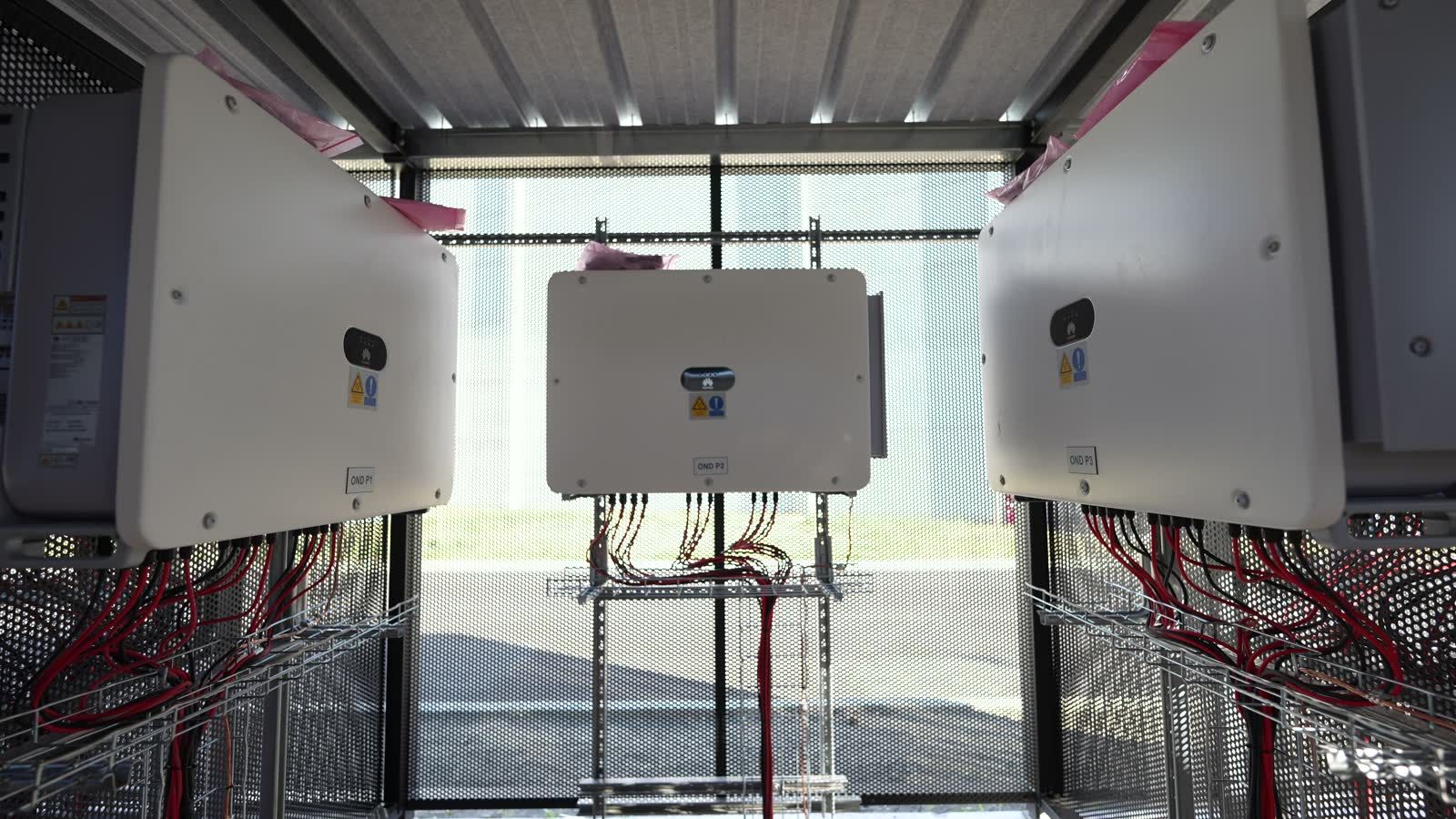
Inverters and cabling installed by JR Énergie's teams in a plant room

Sizing · 6 October 2026

Exceeding subscribed power: shaving peaks with a battery

Above 36 kVA, every overrun of the subscribed power is billed by the grid operator: since 1 August 2026, €12.79 per hour of overrun and per time band in low voltage, and a formula that penalises high peaks in HTA (medium voltage). A battery supplies the peak instead of the grid. It is sized on the height and duration of the peaks, read from the site's load curve.

Read
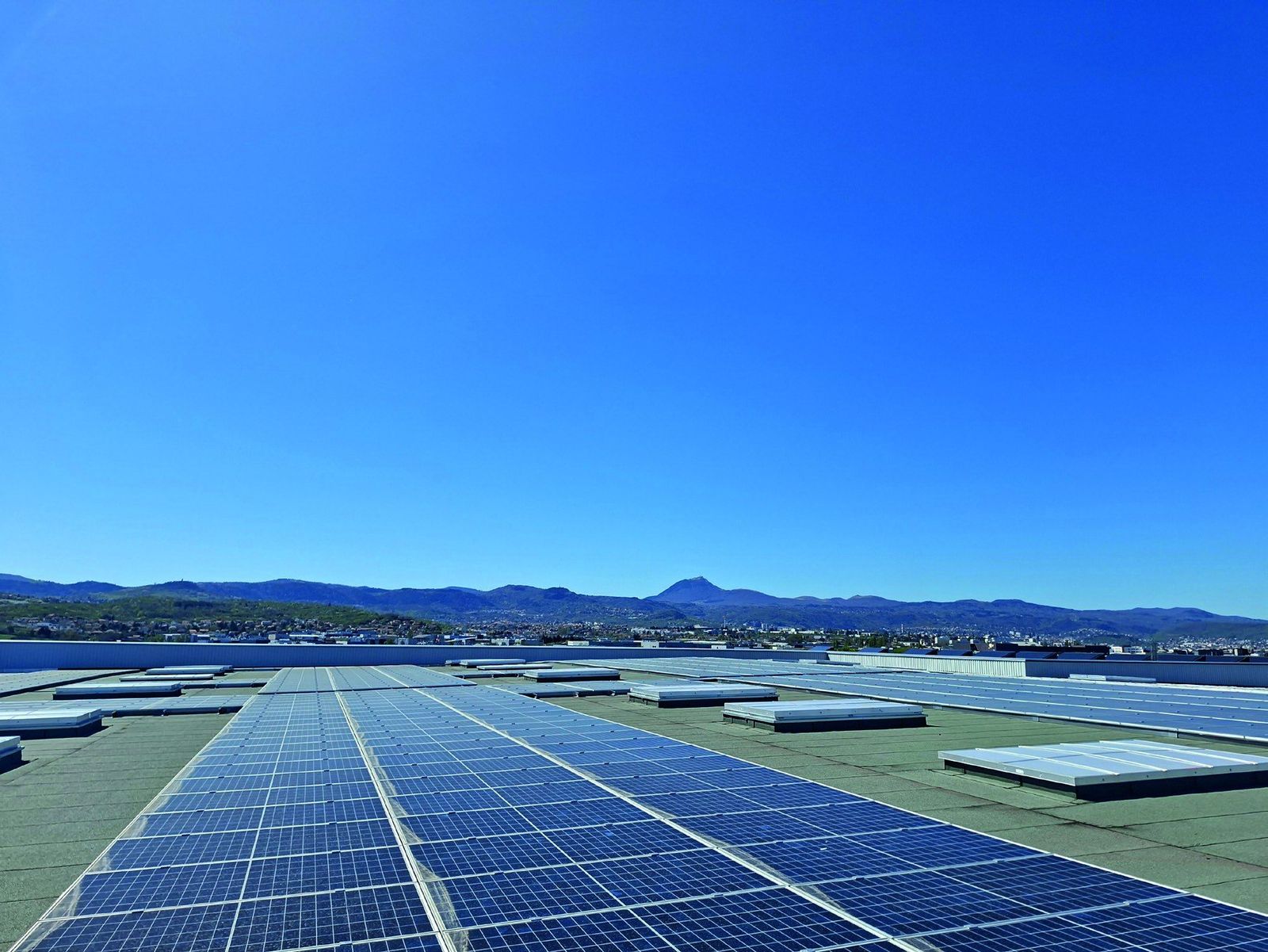
Rooftop solar PV plant built by JR Énergie in Cournon-d'Auvergne, with the Puy de Dôme on the horizon

Revenue and markets · 30 September 2026

Negative electricity prices: what a battery changes for a solar PV plant

Negative prices hit solar PV exactly when it produces the most: in the middle of the day, in spring and summer. A battery installed at the plant stores those kilowatt-hours instead of exporting or curtailing them, and releases them in the evening, when prices rise again. Here is how the phenomenon is evolving, who it affects and how to size the storage.

Read
Inverters and wiring installed by the JR Énergie crews in a technical room

Sizing · 29 September 2026

Commercial battery storage: how to size it

A commercial battery storage system is sized from two quantities, power in kW and energy in kWh, read from the site's load curve and set by the intended use: shaving peaks, keeping solar surplus or shifting consumption. Here is the method, step by step.

Read